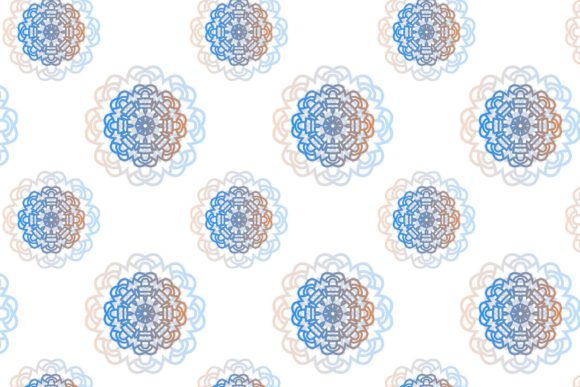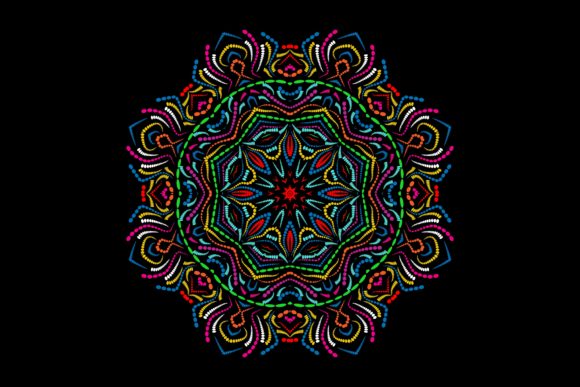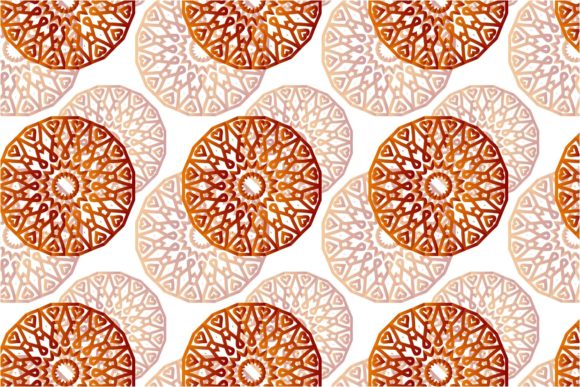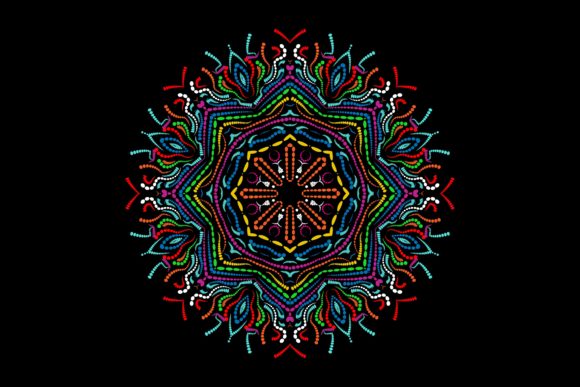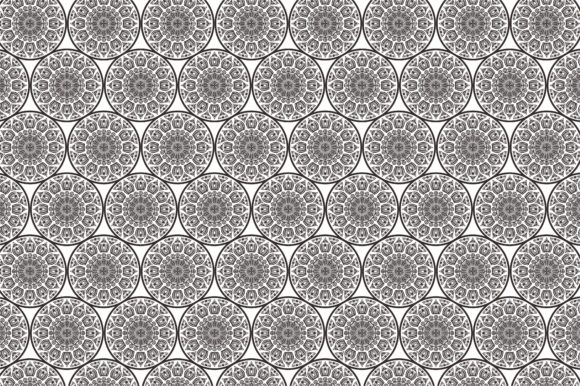
Pattern with a Mandala Theme: A Timeless Design for Creativity and Expression
The Pattern with a Mandala Theme is a unique design concept that blends the intricate beauty of mandalas with the versatility of pattern creation. This fusion offers a powerful tool for artists, designers, and creators looking to infuse their work with symbolic meaning and visual harmony. Whether you're working on digital art, print media, or branding materials, understanding the purpose and potential of this pattern can elevate your creative projects.
Understanding the Mandala Pattern
A mandala is a spiritual and ritual symbol in Hinduism and Buddhism, representing the universe. Its geometric patterns and symmetrical designs have been used for centuries to promote focus, balance, and inner peace. When translated into a pattern, these elements become adaptable for various applications, from textiles to graphic design.
The Pattern with a Mandala Theme typically features repeating shapes, concentric circles, and intricate details that create a sense of rhythm and flow. These patterns are not only visually appealing but also carry cultural and symbolic significance, making them a popular choice for those seeking meaningful design elements.
Key Features of the Mandala Pattern
- Symmetry: The core characteristic of a mandala is its balanced structure, often based on radial symmetry.
- Repetition: Elements are repeated in a structured way to create continuity and visual interest.
- Cultural Significance: Mandala patterns often reflect traditional symbolism and spiritual concepts.
- Flexibility: They can be adapted for different mediums and scales, from small icons to large murals.
These features make the Pattern with a Mandala Theme a versatile choice for both artistic and practical use. Its ability to convey depth and complexity without overwhelming the viewer is one of its greatest strengths.
Applications and Use Cases
The Pattern with a Mandala Theme finds application in a wide range of industries and creative fields. Here are some common scenarios where this pattern shines:
- Graphic Design: Used in logos, illustrations, and background textures to add depth and visual intrigue.
- Textile Art: Popular in clothing, home decor, and accessories, offering a blend of tradition and modernity.
- Interior Design: Applied in wall art, rugs, and furniture to create calming and harmonious spaces.
- Branding: Ideal for companies aiming to communicate values like balance, unity, or mindfulness through their visual identity.
For instance, a wellness brand might use a Pattern with a Mandala Theme in its marketing materials to evoke a sense of tranquility and holistic well-being. Similarly, a fashion designer could incorporate mandala-inspired prints to add a unique aesthetic to their collections.
Who Benefits from Using This Pattern?
The Pattern with a Mandala Theme appeals to a broad audience, including:
- Artists and Illustrators: Those looking to explore new forms of expression and symbolism in their work.
- Designers: Professionals seeking to add depth and cultural resonance to their projects.
- Business Owners: Entrepreneurs who want to differentiate their brand with meaningful visuals.
- Students and Educators: Individuals interested in learning about design principles and cultural influences.
Whether you're creating for personal enjoyment or professional purposes, the Pattern with a Mandala Theme offers a rich foundation for creativity and storytelling.
Strengths and Considerations
One of the greatest strengths of the Pattern with a Mandala Theme is its ability to convey complex ideas through simple, elegant forms. It can transform a basic design into something deeply meaningful, adding layers of interpretation and emotional connection.
However, it's important to consider the context in which the pattern will be used. While mandalas are widely appreciated, they may not always align with the tone or message of a project. For example, a high-energy tech startup might find a mandala pattern too meditative or slow-paced for its branding needs.
Additionally, the Pattern with a Mandala Theme requires careful execution to maintain its visual impact. Overcomplicating the design can dilute its effectiveness, while simplifying it too much may lose the essence of the original concept.
Practical Expectations
When using the Pattern with a Mandala Theme, it's essential to set realistic expectations. The pattern works best when it complements the overall design rather than competing with it. It should enhance the user experience, not overwhelm it.
Creators should also consider the technical aspects of implementing the pattern. Depending on the format—such as JPG, EPS, or PNG—the quality and scalability may vary. Choosing the right file type ensures that the pattern looks sharp and professional across different platforms and devices.
Real-World Examples and Inspiration
Many successful projects have leveraged the Pattern with a Mandala Theme to achieve unique results. For example:
- Book Covers: Authors and publishers use mandala patterns to create visually striking covers that reflect the themes of their stories.
- Mobile Apps: Developers incorporate mandala-inspired designs to create intuitive and aesthetically pleasing interfaces.
- Public Installations: Artists use large-scale mandala patterns in public spaces to engage viewers and spark conversations about art and culture.
These examples demonstrate how the Pattern with a Mandala Theme can be adapted to suit different needs and environments. By studying these applications, creators can gain insights into how to effectively integrate this pattern into their own work.
Evaluating Suitability for Your Needs
Before adopting the Pattern with a Mandala Theme, ask yourself the following questions:
- Does this pattern align with the message or purpose of my project?
- Will it resonate with my target audience?
- Is it technically feasible to implement in my chosen medium?
- Am I prepared to invest time in refining the design for optimal results?
By answering these questions, you can determine whether the Pattern with a Mandala Theme is the right choice for your specific goals and creative vision.
In conclusion, the Pattern with a Mandala Theme is more than just an aesthetic choice—it's a powerful tool for expressing meaning, creating balance, and inspiring creativity. Whether you're designing for personal or professional use, understanding the nuances of this pattern can help you unlock new possibilities in your work. With the right approach, the Pattern with a Mandala Theme can become a valuable asset in your creative toolkit.