Leaf Pattern Artwork: Flexible, Ready-to-Use Designs for Real Projects
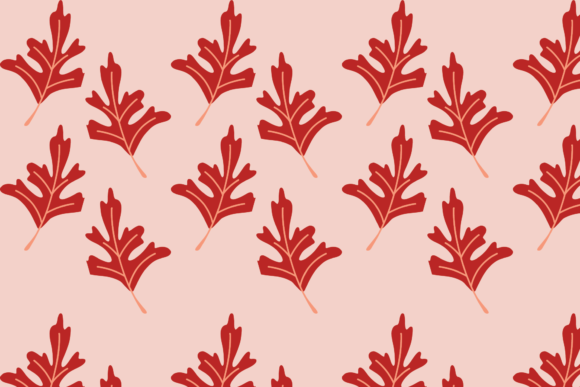
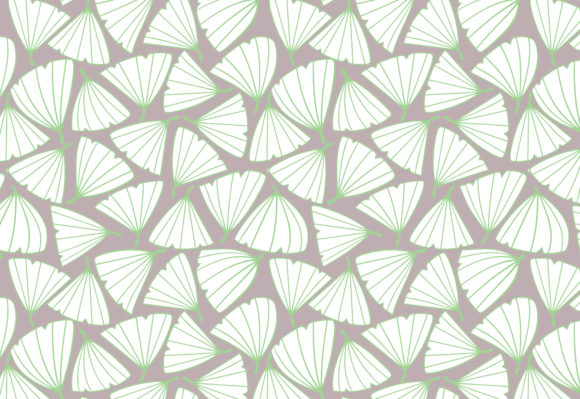
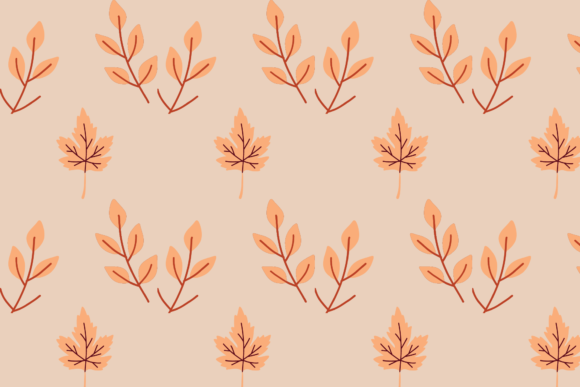
Leaf Pattern Artwork isn’t just decorative—it’s functional. Think of it as nature-inspired visual infrastructure: clean, scalable, and purpose-built for creators who need beautiful botanical motifs without the time or technical overhead of designing from scratch. Whether you're printing fabric, cutting vinyl, engraving wood, or building a website background, this artwork delivers consistent quality across six widely supported file types—AI, EPS, SVG, DXF, JPG, and PNG—each sized precisely to 1920 px × 1280 px for clarity and compatibility.
Where This Design Fits Naturally Into Everyday Work
You don’t need to be a graphic designer to benefit from Leaf Pattern Artwork—but if you’ve ever spent hours tweaking spacing on a repeating motif or struggled to get a leaf shape to scale cleanly for laser cutting, you’ll feel the difference immediately. It’s built for action, not just aesthetics.
For Small-Business Owners & Crafters
A local candle maker uses the SVG version to etch subtle leaf borders onto custom soy wax labels—scaling effortlessly to fit round jars or slim tins. A boutique stationery seller drops the PNG (with transparent background) into Canva to layer over hand-lettered wedding invites, adjusting opacity to keep the design soft and elegant. Because the canvas is fixed at 1920 × 1280 px, there’s no guesswork about resolution when exporting for print or web—just drag, resize, and go.
For DIY Enthusiasts & Makers
If you own a Cricut, Silhouette, or Glowforge, the DXF file opens instantly in your cutting software—no tracing, no vector cleanup. One user shared how they used the EPS version to cut matching leaf silhouettes from birch plywood for a nursery mobile; because the paths are smooth and closed, the machine followed every curve without hesitation. The AI file? That’s for those moments when you want to recolor stems green, shift leaf density, or isolate one element to use independently—all within Adobe Illustrator, without losing fidelity.
For Marketers & Content Creators
Bloggers writing about sustainable living drop the JPG version directly into social media banners—no need to compress or crop. The high-resolution canvas ensures crisp display even on large desktop monitors. Meanwhile, a wellness coach overlays the PNG onto meditation guide PDFs, using the transparency to blend the pattern subtly behind text blocks—softening the layout without distracting from the message. Since all formats share the same base composition, switching between platforms feels seamless, not fragmented.
Why Format Choice Matters More Than You Might Think
It’s not about picking “the best” format—it’s about matching the tool you’re already using and the job at hand.
- AI File: Best if you regularly use Adobe Illustrator and plan to modify colors, rearrange elements, or extract individual leaves for custom collages.
- EPS File: Ideal for legacy print workflows or older RIP software—still widely accepted by commercial printers for large-format output like wall decals or fabric rolls.
- SVG File: Perfect for web designers embedding responsive backgrounds or animated interactions (e.g., gently floating leaves on a landing page). Scales infinitely without blurring.
- DXF File: The go-to for CNC routers, plasma cutters, and most hobbyist-grade laser cutters. Paths are optimized for precision machining—not illustration.
- JPG File: Use when you need fast loading, broad compatibility, and don’t require transparency—great for email headers, PowerPoint slides, or basic mockups.
- PNG File: Choose this when you need crisp edges and a transparent background—essential for overlaying on photos, videos, or layered digital designs.
What to Keep in Mind Before You Start Using It
This Leaf Pattern Artwork is intentionally versatile—but versatility doesn’t mean invisibility. A few practical notes help avoid hiccups:
First, while the 1920 × 1280 px canvas works beautifully for screens and many print applications, it’s not automatically “print-ready” for massive banners or billboard-scale output. If you’re scaling beyond 200% for physical signage, check with your printer about minimum DPI requirements—they may ask for the AI or EPS to re-export at higher resolution.
Second, the pattern is designed as a balanced repeat—but it’s not *infinitely* tileable out of the box in every format. The SVG and AI files retain full vector editability, so tiling is easy to adjust. JPG and PNG are raster-based, so seamless repetition requires manual offsetting in your editing software (a quick step, but worth noting).
Third, color mode varies by use case: the AI and EPS files default to CMYK for print accuracy, while SVG, PNG, and JPG are RGB—ideal for digital displays. If you’re prepping for professional offset printing, open the EPS in Illustrator and convert to CMYK yourself to ensure color consistency.
Who Benefits Most—and How They Use It Differently
A textile designer might import the SVG into a weaving software to map leaf rhythm across warp threads. A teacher downloads the PNG to create printable nature-themed flashcards—resizing easily for laminated sets or interactive whiteboard use. An architect uses the DXF to generate a laser-cut screen panel for a biophilic office lobby installation. Even a real estate agent drops the JPG into a staging presentation to evoke organic calm in listing descriptions.
The strength isn’t just in the leaf shapes themselves—it’s in the thoughtful consistency across formats. You’re never starting over. You’re never fighting mismatched proportions or jagged edges. You’re always working from the same visual foundation, adapted exactly where needed.
When Simplicity Is the Real Advantage
There’s a quiet efficiency in having one reliable Leaf Pattern Artwork that does what it says, across tools you already know. No subscriptions. No watermarks. No learning curves. Just a clean, natural motif—ready when you are.
It won’t replace deep creative exploration—but it removes friction where friction isn’t welcome. When your goal is to bring warmth, growth, or quiet elegance into a project—not to reinvent botanical geometry—that reliability becomes its own kind of inspiration.