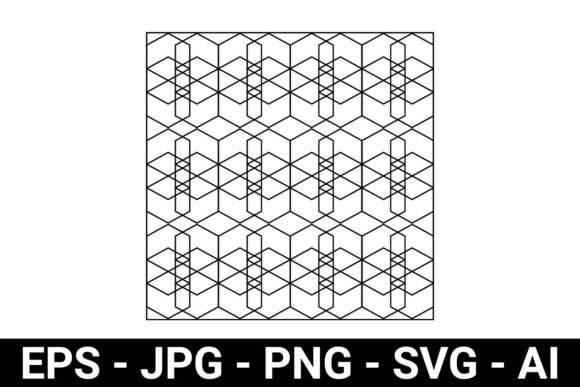
Abstract Shape Tile Seamless Pattern
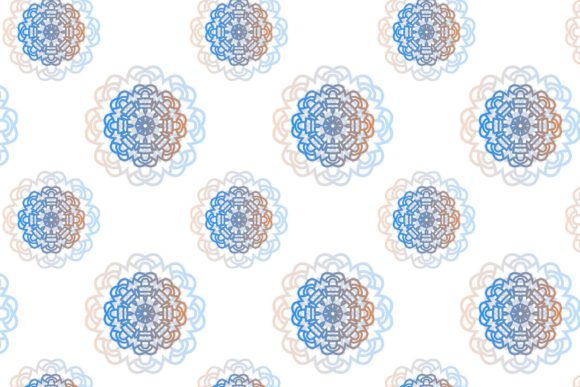
Abstract shape tile seamless patterns offer a versatile and elegant solution for designers, artists, and creators looking to add visual interest to their projects. These patterns are made up of repeating geometric shapes—such as diamonds, hexagons, rhombuses, and squares—that form a continuous design without visible seams. Whether used as a background, wallpaper, or decorative element, they bring a sense of order and creativity to any space.
For professionals in the design industry, abstract shape tile seamless patterns provide a foundation for creating cohesive visuals across various mediums. From digital illustrations to print materials, these patterns can be adapted to suit different needs. Their modular nature allows for easy customization, making them ideal for those who want to maintain a consistent aesthetic while exploring new creative directions.
Why Different Audiences Care About Abstract Shape Tile Seamless Patterns
Each audience may approach abstract shape tile seamless patterns with unique goals and priorities. For example, a beginner in graphic design might focus on ease of use and accessibility, while an experienced professional could prioritize flexibility and high-quality output. Similarly, educators may look for patterns that inspire creativity in students, while business owners might seek cost-effective solutions for branding or marketing materials.
For hobbyists and DIY enthusiasts, these patterns can serve as a starting point for personal projects, such as crafting, home decor, or fashion design. The simplicity of some patterns makes them accessible for those just starting out, while more complex designs challenge advanced users to push their skills further. Whether you're creating a custom wallpaper for your living room or designing a logo for a new brand, there's a pattern that fits your needs.
Practical Uses for Different User Types
Beginners often benefit from patterns that are easy to understand and modify. A simple black-and-white geometric pattern, for instance, can help new designers grasp the fundamentals of repetition, balance, and composition. These patterns also serve as a great resource for learning how to work with different file formats, such as AI, EPS, SVG, JPG, and PNG.
- Students: Teachers can use abstract shape tile patterns to teach geometry, symmetry, and design principles in an engaging way.
- Entrepreneurs: Business owners may use these patterns for branding, packaging, or website backgrounds, ensuring a polished and professional appearance.
- Artists: Creatives can incorporate these patterns into their artwork, using them as a base for paintings, digital illustrations, or textile designs.
Experienced users, on the other hand, may look for patterns that allow for greater customization. Advanced designers might appreciate intricate, ornate designs that can be adjusted to fit specific themes or styles. These patterns can also be integrated into larger design systems, providing a consistent visual language across multiple platforms and applications.
Key Considerations When Choosing a Pattern
When selecting an abstract shape tile seamless pattern, it's important to consider factors like quality, file format, and scalability. High-resolution files ensure that the pattern looks sharp at any size, while vector formats like AI and EPS offer greater flexibility for editing. For those working on digital projects, SVG files are ideal for web use, as they maintain clarity on all screen sizes.
Cost is another factor to consider. Some patterns are available for free, while others require a purchase or subscription. For businesses or professionals, investing in a high-quality pattern may provide long-term value, especially if it can be reused across multiple projects. For hobbyists or casual users, free options can be a great way to experiment without financial risk.
Reliability and support are also important. A well-designed pattern should be easy to download, open, and apply. Clear documentation or tutorials can make a big difference, especially for those who are less familiar with design software. Additionally, patterns that are regularly updated or improved can offer better performance and compatibility over time.
How to Evaluate the Right Pattern for Your Needs
To determine whether an abstract shape tile seamless pattern suits your goals, start by identifying your primary use case. Are you creating a website, a print project, or a personal art piece? Understanding your end goal will help narrow down your options and find the most suitable design.
Consider your skill level as well. If you're new to design, look for patterns that are user-friendly and come with clear instructions. If you're more experienced, you may prefer patterns that offer more complexity and customization options. Testing a few different patterns can also help you see which ones align best with your style and workflow.
For educators, patterns can be a valuable teaching tool. They can be used to demonstrate design concepts, encourage student creativity, or serve as a basis for classroom projects. In this context, simplicity and adaptability are key, as they allow for a wide range of applications and interpretations.
Business owners should also think about the commercial potential of a pattern. A unique, visually appealing design can enhance brand identity and customer engagement. By choosing a pattern that reflects the values and aesthetics of their business, owners can create a more cohesive and memorable experience for their audience.