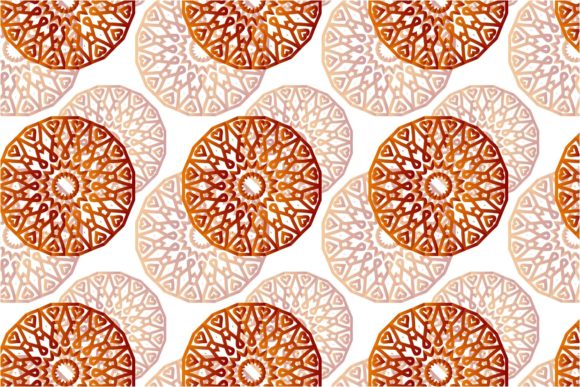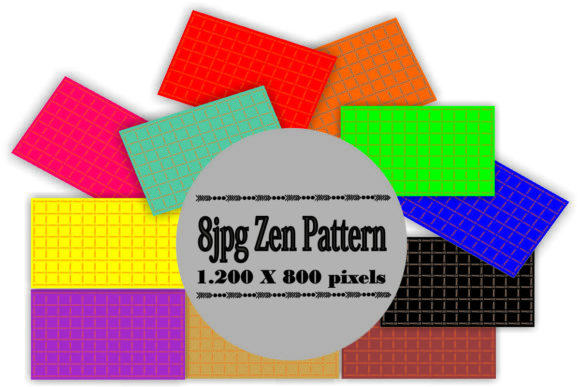
11 Simple Zen and 11 Colors Zen Pattern for Paper, Fabric, and More
The 11 Simple Zen and 11 Colors Zen patterns have become a popular choice for designers, artists, and crafters looking to bring a sense of calm and balance into their work. These designs are not just visually appealing; they also offer a range of practical benefits across various applications, from wrapping paper to fabric, blankets, curtains, carpets, and wallpaper.
Understanding the 11 Simple Zen Design
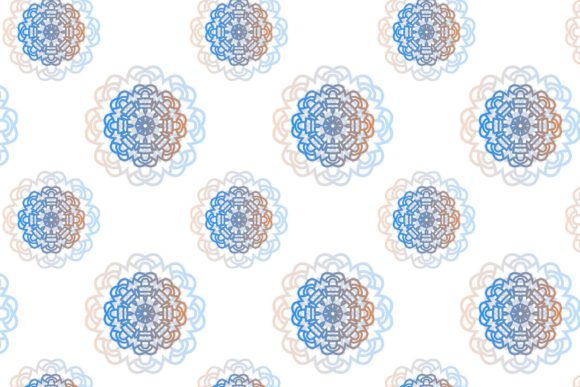
The 11 Simple Zen pattern is known for its minimalistic approach, featuring clean lines and a balanced composition. This design often includes elements that evoke a sense of peace and mindfulness, making it ideal for spaces where relaxation is a priority. The simplicity of the design allows it to blend seamlessly into different environments without overwhelming the senses.
One of the key characteristics of the 11 Simple Zen pattern is its versatility. Whether you're looking to create a calming atmosphere in your home or add a touch of elegance to your workspace, this design can adapt to various needs. Its ability to remain unobtrusive while still making a statement makes it a favorite among interior designers and homeowners alike.
Exploring the 11 Colors Zen Pattern
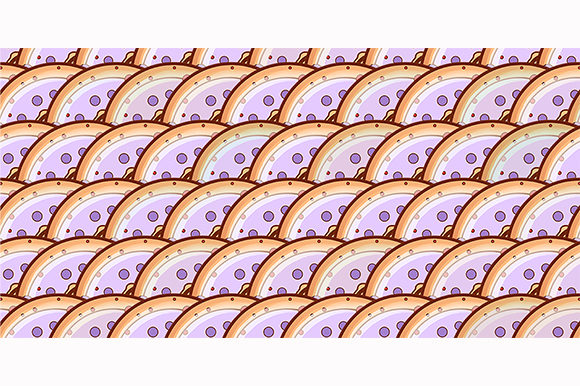
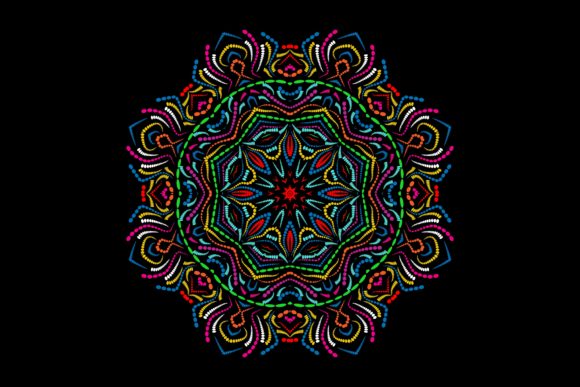
While the 11 Simple Zen pattern focuses on minimalism, the 11 Colors Zen pattern brings a vibrant energy to the mix. This design incorporates a range of colors that are carefully chosen to create a harmonious visual effect. Each color is selected not only for its aesthetic appeal but also for its psychological impact, helping to create a space that feels both lively and balanced.
The use of multiple colors in the 11 Colors Zen pattern allows for greater creativity and personalization. Whether you're designing a piece of fabric or selecting wallpaper for a room, this pattern offers endless possibilities for expression. It's an excellent choice for those who want to add a pop of color without sacrificing the overall harmony of the space.
Applications of 11 Simple Zen and 11 Colors Zen Patterns
Both the 11 Simple Zen and 11 Colors Zen patterns are highly adaptable and can be used in a variety of settings. For example, when it comes to wrapping paper, these designs can transform ordinary gifts into elegant presents that reflect the recipient's personality. The simplicity of the 11 Simple Zen pattern makes it perfect for a more understated look, while the 11 Colors Zen pattern adds a playful touch that can make any gift stand out.
In the realm of fabric, these patterns are often used for creating clothing, accessories, and home decor items. The 11 Simple Zen pattern is particularly well-suited for items like blankets and curtains, where a soothing aesthetic is desired. On the other hand, the 11 Colors Zen pattern can be used to create eye-catching fabrics that add vibrancy to any room or outfit.
Choosing the Right Pattern for Your Project
When deciding between the 11 Simple Zen and 11 Colors Zen patterns, it's important to consider the purpose of your project. If you're looking to create a calming environment, the 11 Simple Zen pattern may be the better choice. Its clean lines and subdued colors can help promote relaxation and focus, making it ideal for spaces such as bedrooms, meditation rooms, or home offices.
Conversely, if you're aiming for a more dynamic and expressive look, the 11 Colors Zen pattern could be the way to go. This design is perfect for areas where energy and creativity are valued, such as living rooms, playrooms, or creative studios. The combination of colors can also be used to highlight specific features or areas within a space, adding depth and interest to the overall design.
Practical Benefits of Using These Patterns
One of the main advantages of using the 11 Simple Zen and 11 Colors Zen patterns is their ability to enhance the visual appeal of any surface they're applied to. Whether you're working with paper, fabric, or wallpaper, these designs can elevate the look of your project without requiring a significant investment in time or resources.
Additionally, these patterns are often available in a variety of formats, including JPG files, which makes them easy to download and use in digital projects. This accessibility is especially beneficial for designers and artists who need high-quality images for their work. The availability of these patterns in different sizes and resolutions ensures that they can be used in a wide range of applications, from small-scale crafts to large-scale home decor projects.
Considerations When Working with These Patterns
Before incorporating the 11 Simple Zen or 11 Colors Zen patterns into your project, it's essential to consider factors such as color coordination, scale, and placement. For instance, when using these patterns on wallpaper or fabric, it's important to ensure that they complement the existing colors and textures in the space. A mismatched color scheme can detract from the overall aesthetic and diminish the intended effect of the design.
Another consideration is the scale of the pattern. Depending on the size of the area you're working with, the pattern may need to be adjusted to fit appropriately. In some cases, a larger scale may be more suitable for a spacious room, while a smaller scale might work better for a more intimate setting. Testing the pattern on a small sample before applying it to the entire space can help you determine the best approach.
Enhancing Your Space with 11 Simple Zen and 11 Colors Zen
Whether you're looking to create a serene environment or add a burst of color to your surroundings, the 11 Simple Zen and 11 Colors Zen patterns offer a versatile solution. Their ability to adapt to different styles and purposes makes them valuable tools for anyone involved in design, crafting, or home improvement.
By understanding the unique qualities of each pattern and considering how they can be applied in different contexts, you can make informed decisions that enhance both the functionality and aesthetics of your space. The 11 Simple Zen and 11 Colors Zen patterns are not just decorative elements—they are powerful tools for creating environments that support well-being, creativity, and personal expression.